
Whoa — that surprised me. I opened Rabby to test a cross-chain swap and felt immediate clarity. The UI wasn’t flashy but it was fast and informative. Initially I thought this would be another wallet with gimmicks and half-baked features, but then I realized the team prioritized sensible defaults and deep DeFi ergonomics over bells and whistles, which actually made using multiple chains less stressful than I’d expected. My gut said this could be a keeper for daily DeFi work.
Seriously? It felt smooth. I had to check permissions and approvals first, quickly. MetaMask fatigue had taught me to be suspicious of tiny popups and endless approvals. On one hand Rabby isolates accounts and shows clear, human-readable approval screens, though actually the real win is the way it surfaces contract details and counterparty addresses in plain language, so you don’t have to be a solidity expert to avoid scams.
Whoa — small details matter. The first time I compared transaction previews side‑by‑side, Rabby spelled out the method selectors and decoded calldata in a way that made sense to me. That saved me from an awkward approval that would have allowed unlimited token transfers — yikes. My instinct said to treat every approval like a big deal, and Rabby makes doing that a little less painful, which matters when you live in DeFi all day.
Okay, so check this out — the multi-chain support is practical. It doesn’t pretend to be every chain at once; it prioritizes compatibility and responsiveness instead. I switched between Ethereum, BNB, Avalanche, and a couple EVM L2s without the browser extension choking or losing context. At times I had to reauthorize an account (oh, and by the way… browser extension quirks persist across wallets), but overall the flow stayed coherent.
Hmm… small gripe incoming. The network dropdown could be more discoverable for new users, and some token lists aren’t exhaustive. I’m biased, but I prefer a wallet that nudges users to verify token contracts instead of auto-suggesting anything with a ticker match. Still, Rabby’s emphasis on transaction clarity outweighs those little UX misses for me.
Whoa — permissions are front and center. Rabby surfaces allowed spenders with a clear “revoke” path, and it groups approvals so you can see, at a glance, which dapps have broad allowances. This is huge. I was very very surprised at how many old approvals I had left unattended across accounts, and cleaning those up felt satisfying and practical.
Initially I thought revoking approvals would be annoying. Actually, wait — let me rephrase that: I expected confusion and broken flows. Instead Rabby made the process straightforward, though there are still smart contract nuances where a normal revoke doesn’t actually remove internal approvals (yes, those exist). On the whole, it nudges better hygiene, and honestly that alone will reduce risk for a lot of users.
Whoa — hardware wallet support is real. I connected a Ledger and it behaved like a first-class citizen, signing transactions with clear prompts. That detail matters when you move sizable assets or when you want cold keys in the loop. My impression from earlier wallets was that hardware integrations felt tacked-on, but Rabby’s felt thoughtful and robust.
Seriously, the transaction simulation is useful. It explains potential slippage and gas estimation problems before you hit confirm. I ran a tricky cross-chain relay and the simulation showed a likely revert scenario, which saved me a failed tx fee — small savings, big relief. On the other hand simulations aren’t perfect; they don’t catch every on-chain nuance, so don’t treat them as foolproof.
Whoa — this part actually bugs me: switch handling when many networks are in use. Sometimes dapps expect a particular RPC or chain id, and you need to jump manually. It’s not Rabby’s fault entirely, but I’ve tripped over it a few times. Still, for multi‑chain power users the ability to add custom networks and preserve account context is a real advantage.
Hmm… about privacy and telemetry. I’ll be honest — I’m not 100% sure what the backend telemetry posture is, though the extension is fairly transparent about RPC choices. Initially I thought everything was routed via a central node, but then I checked and realized users can configure RPCs directly, which restores trust. On one hand that’s empowering; on the other hand, it transfers some responsibility back to the user.
Whoa — dev tooling and dapp compatibility are strong. I used Rabby with Uniswap forks, Sushi, and a couple obscure aggregators, and they all behaved. The extension listens to the browser environment in a friendly way and avoids aggressive page injections that break everything else. For developers and power users who toggle between many dapps, that smoother handshake is welcome.
Okay, a quick personal story — I once almost bridged wrong tokens during a chain migration. My instinct said somethin’ was off, and the transaction preview in Rabby confirmed my suspicion by showing the destination contract clearly. I stopped the operation and saved several hours of grief. Small moments like that accumulate into trust, and trust is everything in DeFi.
Whoa — security posture deserves attention. The wallet uses common extension sandboxing and encourages hardware key usage, plus it shows human-readable contract interaction details. That doesn’t make you bulletproof, though; phishing remains the top risk for extension wallets. My advice: pair Rabby with a hardware wallet for larger holdings, and keep a minimal hot wallet for day trading.
Hmm… community and development cadence matter. Rabby releases updates and engages on GitHub and social channels, which I watch closely. Initially I thought the project would stagnate, but community fixes and feature requests show momentum. That matters because a living project responds to new threats and emerging UX patterns.
Whoa — token management is flexible. You can add custom tokens and pin balances, and the portfolio view is simple to scan. For US-based power users who check holdings on lunch breaks, that quick snapshot is handy. I’m biased toward wallets that keep things minimal rather than overloading dashboards with flashy charts, but I know some folks want more analytics.
Seriously, price alerts and integrations are basic but functional. I don’t rely on a wallet for portfolio analytics, though it’s nice that Rabby doesn’t clutter the core signing flow with bells and whistles. On the other hand, if you’re a full-time trader you might opt for a dedicated portfolio product.
Whoa — speed and reliability matter in gas storms. When blocks fill up and gas spikes, Rabby’s gas controls let you adjust and save presets. That helped me rescue a stuck token transfer recently. I won’t claim it’s a magic fix — stuck transactions sometimes need manual nonce management — but the options are there when you need them.
Okay, a quick checklist for should-you-use‑it: if you want clearer approvals, multi‑chain ergonomics, and solid hardware support, Rabby deserves a try. If you need the most aggressive dapp analytics built into the wallet, pair it with external tools. I’m biased, but I prefer wallets that get signing right first.
Whoa — curious? If you want to try it, check out rabby wallet and play with a small test amount first. Seriously: always test with tiny sums before trusting a new tool with significant funds. My instinct is to iterate cautiously, learn the flows, and then scale up.
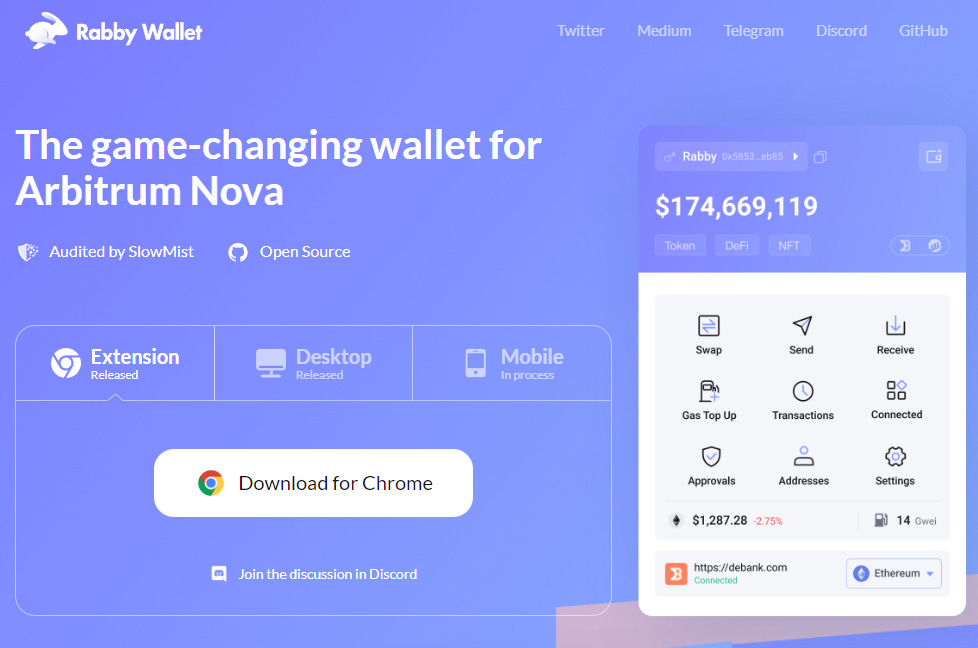
Practical tips and final thoughts
Start with small transactions and a burner account. Keep a hardware wallet for large balances. Revoke old approvals periodically — it’s quick and cathartic. Watch the RPC endpoints you add, and prefer official or well-known providers. I’m not 100% sure about every edge case (no one is), but these habits reduce common attack surfaces.
FAQ
Is Rabby safer than MetaMask?
On paper Rabby improves usability around approvals and multi‑chain flows, which lowers user error — a major safety factor. MetaMask is ubiquitous and battle-tested, though its UI sometimes encourages broad approvals; Rabby nudges users toward more cautious behavior. Neither is invincible, and hardware keys plus cautious habits remain the best defense.
Which chains does Rabby support?
Rabby focuses on EVM-compatible chains and popular L2s, with the ability to add custom RPCs. That covers Ethereum, BNB, Avalanche, Arbitrum, Optimism and many others; always verify network details before sending funds. If you’re exploring a niche chain, test first with micro amounts.